• Skip to primary navigation
  • Skip to main content
  • Skip to primary sidebar
Brad Johnson Injury Law
  • About Us
    • Meet Our Team
      • Brad Johnson
      • Jade Avalos
      • Lisa West
      • Lynda West
      • Maria Morales
      • Marissa Aranda
      • Toni Ortiz
    • Our Process
    • Our Fees
    • FAQ
  • Practice Areas
    • Personal Injury
    • Car Accidents
    • Dog Bites
    • Motorcycle Accidents
    • Truck Accidents
    • Pedestrian Accidents
    • Bicycle Accidents
    • Premises Liability
    • Slip and Fall Injury
    • Spinal Cord Injury
    • Wrongful Death
  • Reviews
  • Blog
  • Locations
    • Glendale (Main Office)
    • Avondale
    • Buckeye
    • Chino Valley
    • Goodyear
    • Litchfield Park
    • Peoria
    • Phoenix
    • Surprise

Brad Johnson Injury Law

Arizona Personal Injury Lawyer

24/7

602-650-1200

SE HABLA ESPAÑOL
Google Reviews

Auto Accidents

How Arizona HOV Lane Restrictions Will Affect All Drivers

November 21, 2025 by Brad Johnson

The Open Road Just Got a Little Narrower

Phoenix drivers with electric vehicles can no longer use the HOV lane for solo trips, following a decision by the Arizona Department of Transportation on Oct. 1, 2025. For years, many drivers have counted on this perk to shave precious minutes off their daily commute. But that familiar advantage has changed. As of October 1st, this unique privilege for solo electric and alternative fuel vehicle owners has ended.

This shift is not just an inconvenience. It marks a significant change in Arizona traffic law, with real legal and safety consequences for all drivers.

About the New HOV Laws Effective October 1, 2025

The key change is simple. If you are driving alone in an electric or alternative fuel vehicle, you are no longer allowed to use the HOV lane during restricted hours. HOV lanes in the Phoenix area are now reserved for cars with two or more occupants on weekdays from 6 a.m. to 9 a.m. and from 3 p.m. to 7 p.m.

This shift happened because a federal law provision expired. “Barring a federal change, as of Wednesday, Oct. 1, electric vehicles and other currently eligible alternative fuel vehicles with only a driver will no longer have access to high-occupancy vehicle lanes during restricted times,” according to an official press release from ADOT.  

Exceptions for Other Vehicles Are Not Affected by New Laws 

The new HOV restrictions won’t affect all vehicles. Motorcycles, public transit buses, emergency vehicles, and tow trucks on duty may continue to use HOV lanes even with only the driver present. For everyone else, the two-person minimum now applies, regardless of your license plate.

The Direct Consequences: Tickets and Penalties

With this law in effect, the Arizona Department of Public Safety (AZDPS) has signaled that enforcement will continue. State troopers can use their judgment to weigh severity and context. Troopers “will continue to enforce the state laws and lean on existing traffic enforcement discretion,” officials said in the press release.

State Troopers to Enforce HOV Laws with $200 Fine 

If you are caught driving solo in the HOV lane without meeting the requirements, you could face a fine of $200. This amount may vary depending on circumstances. In addition to the fine, you may also receive points on your driving record, which can lead to higher insurance premiums.

The financial hit is not the only concern. Having a traffic violation on your record can affect your driving privileges and make it harder to contest future tickets. The stakes are high, and understanding these legal consequences is essential.

Safety Concerns for All Drivers as New Laws Take Effect 

The new rule is likely to affect more than just those who drive electric or alternative fuel vehicles. As more drivers are forced back into the regular lanes, expect some changes on the road.

Unsafe Merging

One concern is last-minute lane merging. Drivers who suddenly realize they cannot use the HOV lane may make unsafe, sudden moves to get back into regular traffic, increasing the risk of side-swipe accidents and confusion.

Congestion on the Road

There is also the likelihood of increased congestion. As more cars pile into the non-HOV lanes, traffic may slow down and frustration could rise. This can lead to a higher risk of rear-end collisions and even road rage incidents. Many drivers are still unaware of the new rule, leading to erratic behavior and confusion as they try to adjust on the fly.

More Collisions

All of these factors can create dangerous conditions for everyone on the road. If you have been involved in a collision, remember that traffic law changes can impact liability and claims, which is where a professional injury attorney can really help. Brad Johnson Injury Law specializes in car accident injury claims. Our team of legal experts can navigate the legal system while you focus on recovery.  

Frequently Asked Questions (FAQs)

I have an old ‘Alternative Fuel’ license plate. Am I grandfathered in?

No. The change applies to all previously eligible vehicles, regardless of when you received your plate. Unless Congress takes new action, everyone must follow the new rule.

What if I am carpooling in an electric vehicle?

The HOV lane is still open to you as long as there are two or more people in your car. The number of occupants matters more than the type of fuel your car uses.

What should I do if I get ticketed for an HOV violation?

You have options. You can pay the fine or contest the ticket in court. It is wise to seek legal counsel to understand how a violation may impact your record and insurance rates.

Where can I find the official rules?

Visit azdot.gov/HOVRule for more information.

Stay Vigilant on the Road

As traffic patterns change, drivers should be extra vigilant, expect sudden lane changes, and always check blind spots before merging.

Auto Accident Lawyers Available 24/7

If you have been injured in a traffic accident due to another driver’s negligence, whether in an HOV lane or not, contact Brad Johnson Injury Law for a free consultation to understand your rights.

Filed Under: Auto Accidents Tagged With: AZDOT, HOV lane

How Underinsured and Uninsured Motorist Coverage Protects Phoenix Drivers

October 7, 2025 by Brad Johnson

Driving in Phoenix is more than just a way to get from Tempe to downtown or across the city to catch a sunset hike. For many of us, our cars are our lifelines. But as the city grows, so does the risk that you’ll end up sharing the road with drivers who simply aren’t covered.

Understanding uninsured and underinsured motorist coverage is essential if you want to protect yourself and your family from the financial fallout of an accident.

The Realities of Uninsured Drivers in Arizona

Here’s a fact that might surprise you: Arizona consistently ranks among the worst states for uninsured drivers. Roughly 12% of motorists here have no insurance at all, according to recent estimates. In a sprawling, car-dependent city like Phoenix, the chance of being involved in a crash with someone who can’t pay is high. The state’s desert highways and city avenues carry plenty of risk, even if you obey every rule.

What Sets Uninsured and Underinsured Coverage Apart?

Uninsured motorist (UM) coverage steps in when the other driver has no insurance, whereas underinsured motorist (UIM) coverage applies when the other driver’s insurance isn’t enough to cover your costs. Both types of coverage exist for one reason: not everyone on the road is prepared for an emergency. This insurance ensures that their lack of preparation shouldn’t drain your savings.

Examples of UM and UIM in Action

Imagine this: you’re driving along 7th Avenue when a car sideswipes you. The driver apologizes, but he doesn’t have insurance. In that moment, your UM coverage becomes your safety net.

Now picture a similar accident, but this time the other driver has Arizona’s bare-minimum liability limits. Your medical bills and lost wages quickly exceed their coverage, leaving you with a pile of unpaid expenses. That’s where UIM coverage can step in to bridge the gap.

The Full Reach of Uninsured Motorist Coverage

People often misunderstand what UM coverage can actually do. In Arizona, it isn’t just about medical bills (though it absolutely covers those). UM coverage can pay for lost wages if you’re forced to miss work. It can also cover costs related to pain and suffering if the accident disrupts your life. If you’re injured in a hit-and-run, you may be able to use UM coverage to cover your losses.

It’s important to note that not all UM policies include property damage. Make sure to check the details of your policy to see if car repairs are covered. The core function of UM coverage is to help you recover, both physically and financially, without having to chase down someone who simply can’t pay.

Does Arizona Require Liability Coverage for All Drivers?

Liability insurance is the legal minimum for all drivers in Arizona, but it is often misunderstood. This coverage pays for injuries and property damage you cause to someone else in a crash. As of 2024, Arizona law requires drivers to carry car insurance that covers (at a minimum):

  • $25,000 for injuries to one person
  • $50,000 per accident
  • $15,000 for property damage

Your Liability Coverage Compensates the Other Driver

But here’s the catch: liability insurance protects other drivers, not you. If you’re the one left with medical bills or a totaled car after being hit by someone with no (or not enough) insurance, liability coverage isn’t going to help. That’s why so many Phoenix drivers end up wishing they had taken the time to review and expand their policies before trouble strikes.

Arizona’s Insurance Laws and Their Limits

Every Arizona driver is supposed to carry liability insurance, but that doesn’t mean every driver does. According to a recent IRC Study, roughly one in seven motorists (15.4%) are uninsured. Even with penalties and the risk of having their license suspended, many drivers in Phoenix are uninsured.

Economic hardship, lack of awareness, and sometimes just plain risk-taking lead people to take their chances. Some cancel their policies right after registering their car. Others let their coverage lapse after a job loss or financial setback. The result is a dangerous gap in protection.

Consequences of Lapsed Coverage

After a crash, uninsured drivers may be legally responsible for damages and ordered to pay. But if they don’t have any money or assets to help cover the damages, you might never see a penny. That’s why even careful, law-abiding Phoenix residents can wind up in tough spots when other drivers don’t play by the rules.

Is Uninsured and Underinsured Motorist Coverage Required?

You are not legally required to carry UM or UIM coverage in Arizona, but insurance companies must offer it. If you choose to decline, you must do so in writing. What many drivers don’t realize is that skipping this coverage is a risky choice. In a city like Phoenix, accidents involving an uninsured driver is a matter of “when” not “if.”

Most insurance agents in Phoenix recommend getting UM and UIM coverage equal to your liability policy. It’s often one of the most affordable ways to protect yourself, especially considering the alternative could be devastating.

What Happens If You Skip UM or UIM Coverage?

Opting out of UM or UIM coverage is a gamble that can backfire dramatically. Say you’re hit by a driver with no insurance, or someone carrying only the legal minimum. Without UM or UIM, you might be left paying your own medical bills and car repairs, even though you did nothing wrong.

Suing the at-fault driver is always an option, but if they have no assets, it’s a hollow victory. Health insurance can offset some expenses, but won’t cover other accident-related costs like lost wages. For many Phoenix families, these costs are enough to disrupt budgets for years.

Steps to Take After an Accident with an Uninsured Motorist

Accidents are overwhelming, but if you find yourself hit by an uninsured driver, staying calm and focused will serve you well.

1. Safety First

First, make sure everyone is safe and call the police. Always get a police report, even if the other driver begs you not to involve the authorities. This report is essential for any insurance claim and can save you headaches later.

2. Collect Information at the Scene

Collect as much information as possible: names, contact details, license plate numbers, and photographs of the scene. Report the incident to your insurance company promptly. If you have UM or UIM coverage, contact your insurance company.

  • Read More: What to Say to Insurance After a Car Accident

3. Contact a Lawyer ASAP

Contact an expert car accident injury lawyer while you’re still at the scene, if possible. It will be better for your case if you can get a lawyer involved early. At Brad Johnson Injury Law, our team is available 24/7. We’re committed to helping you meet with a lawyer within 2 hours of your call if we believe we can help your case.

Benefits of Hiring an Experienced Car Accident Lawyer

A vehicle accident lawyer like Brad Johnson will advocate for you and make sure the right information is recorded. This is necessary to make sure your claim is submitted correctly and paid out quickly. Navigating insurance claims and Arizona’s legal system can be overwhelming, and you don’t have to deal with it on your own.

Should You Ever Accept Cash from an Uninsured Driver?

It can be tempting when the at-fault driver offers you cash on the spot, hoping you’ll let the accident slide. But taking cash in Phoenix, or anywhere in Arizona, is almost always a bad idea. Damage to your car and injuries might seem minor at first, but they can turn out to be far more expensive after you’ve had everything evaluated by professionals.

  • Read More: Should I Accept Cash Payment Out of Pocket After a Car Accident?

Accepting Cash Could Waive Your Right to More Compensation

Accepting cash can also complicate or even void your insurance claim. Insurers expect you to report all accidents. If you don’t, you may find yourself stuck with the bill, or worse, in legal trouble for failing to report the incident. Always follow proper procedure, like filing a police report, and starting a claim with your insurance company.

Protect Yourself Before You Need Protection

Peace of mind is priceless, and a few extra dollars a month can make all the difference if the unthinkable happens. Talk to your insurance agent, ask questions, and don’t just accept the bare minimum. In Phoenix, protecting yourself means planning for the mistakes of others, not just your own.

Contact Brad Johnson Injury Law

If you’re in a car accident with an uninsured or underinsured driver, contact the car accident legal experts at Brad Johnson Injury Law. We are committed to helping you recover the compensation you deserve with a lower fee than other Phoenix personal injury firms.

Call us to get a free case evaluation, available 24/7.

602-650-1200

Filed Under: Auto Accidents Tagged With: car accident lawyer, Uninsured Motorist Claim

Self-Driving Car Accident: What Drivers and Pedestrians Should Know

September 4, 2025 by Brad Johnson

Self-driving cars are becoming more common on roads across Arizona, especially in Phoenix. With companies like Waymo testing and operating autonomous vehicles in the area, more people are wondering what happens if you are involved in a crash with a self-driving car. 

This blog will walk you through the different types of autonomous vehicles, how to spot them, what to do after an accident, and who might be liable. We will also discuss some of the laws in place for self-driving cars at the local, state, and federal levels.

Types of Autonomous Vehicles on the Road

There are two main categories of autonomous vehicles you may encounter. 

1. Cars with Driver-Assist 

The first is a car with a driver using autopilot or an advanced driver-assist system. These vehicles still require a human behind the wheel, even if the car is handling most of the driving tasks. Popular systems like Tesla’s Autopilot fall into this category. The driver is expected to be alert and ready to take over if needed.

2. Fully Autonomous Vehicles

The second type is a fully autonomous, self-driving vehicle, which may operate with no human driver at all. These cars use advanced sensors, cameras, and computers to drive themselves and often look different from regular vehicles. Waymo and Cruise, for example, operate fleets of driverless cars that transport passengers in Phoenix and other cities.

How to Identify a Self-Driving Car

Spotting a self-driving car is getting easier, especially in areas like Phoenix where Waymo has already gained traction. Waymo vehicles were initially Chrysler Pacificas, but have all been replaced by Jaguar I-PACE SUVs. What sets them apart from other cars is their spinning lidar sensors on the roof. These vehicles often have branding or company logos, and the front seat is usually empty.

Cars using driver-assist features might be harder to identify because they look like regular cars. Any Tesla vehicle may be using Autopilot, but unless you can see the driver’s hands off the wheel, you might not know for sure.

Common Concerns About Self-Driving Cars in Phoenix

Phoenix has become a hub for autonomous vehicle testing because of its wide streets, sunny weather, and supportive local laws. However, some residents are concerned about safety, as there have been reports of self-driving cars blocking traffic, making sudden stops, or failing to yield to pedestrians. Others worry about how these vehicles interact with traditional drivers who may not understand how self-driving cars behave.

How Common Are Autonomous Vehicle Accidents?

While self-driving cars are involved in fewer accidents overall compared to human drivers, crashes do happen. According to public reports, most autonomous vehicle accidents are minor and often occur at low speeds. However, high-profile incidents, including some with injuries and even fatalities, have made headlines. As more self-driving cars take to the streets, the number of these incidents may rise, though many experts hope technology will make roads safer in the long run.

Who Is Liable If a Self-Driving Vehicle Causes a Crash?

Determining who is responsible after a crash involving an autonomous vehicle can be complicated. In many cases, liability depends on the type of vehicle, the circumstances of the accident, and the technology involved.

If the car was using a driver-assist system like Autopilot, the human driver may still be held responsible, especially if they were not paying attention or failed to take control when needed. These systems are designed to assist, not replace, a human driver.

With fully autonomous vehicles, the answer may be different. If a driverless car is at fault, the company that owns and operates the vehicle, such as Waymo or Cruise, could be held liable. In some cases, the manufacturer of the self-driving technology or the car itself may also be responsible if a technical defect caused the crash.

What Should You Do If You Crash with an Autonomous Vehicle?

After you are involved in an accident with a self-driving car, it is important to gather as much information as possible to help determine liability.

If You Are the Driver

When you are driving another car and are involved in a collision with a self-driving vehicle, stay calm and follow the usual steps after a crash. 

  1. Seek medical attention
  2. Move your vehicle to a safe place if you can. 
  3. Call the police to report the accident
  4. Make sure to exchange insurance and contact information with the other party, even if the self-driving car does not have a traditional driver. 
  5. Look for information inside the vehicle or contact the company that owns it.

Most importantly, gather evidence. Take photos of the scene, the vehicles, and any visible injuries. Write down details about what happened, and try to get witness statements if possible. It can also help to note if the self-driving car had any company markings or cameras.

If You Are a Pedestrian

If you are hit by an autonomous vehicle while walking or biking, seek medical attention right away. Even if you do not feel hurt, some injuries may not show up immediately. Try to get the vehicle’s license plate and any identifying company information. If possible, take photos and get contact details from witnesses. Report the accident to the police and contact a personal injury attorney who understands autonomous vehicle cases.

What Are the Laws for Self-Driving Vehicles?

Local Laws in Phoenix

Phoenix has welcomed self-driving car testing, allowing companies to operate autonomous vehicles on public streets. Local laws often focus on safety requirements, reporting accidents, and notifying authorities about autonomous testing.

Arizona State Laws

Arizona has some of the most relaxed regulations for self-driving vehicles in the country. The state allows both testing and commercial use of autonomous vehicles without a driver present, as long as the company meets safety and insurance requirements. After a fatal crash involving an autonomous Uber in Tempe, Arizona added more rules for safety reporting but still encourages innovation in this field.

Federal Laws in the United States

There is currently no single federal law covering all aspects of autonomous vehicles. The National Highway Traffic Safety Administration (NHTSA) provides guidelines and monitors safety, but states like Arizona make most decisions about how self-driving cars operate. Congress continues to debate new laws to address the unique challenges posed by these vehicles.

Conclusion

Being in an accident with a self-driving car can be confusing and stressful, but knowing what to do can help you protect your rights. Whether you are a driver or a pedestrian, gathering information and seeking legal advice is important. As technology evolves, the laws and liability rules around autonomous vehicles will continue to change. Stay informed and reach out to a car accident attorney if you have questions about your situation.

Call the Car Injury Law Firm

The aftermath of a car accident with a self-driving car can be overwhelming. Dealing with injuries, insurance claims, and legal paperwork is particularly challenging in a nuanced claim like this. That’s where the car accident lawyers at Brad Johnson Injury Law can help. Our Arizona team brings decades of experience in car accident cases and personal injury claims to help clients get fairly compensated for their pain and suffering.

Call Brad Johnson Injury Law 24/7 for a FREE Consultation

We prioritize clear communication, compassionate guidance, and aggressive representation to simplify the process so you can focus on recovery.

When you need support, Brad Johnson Injury Law is only a call or click away. We’re ready to stand up for your rights and pursue the compensation you deserve.

Call us at (602) 650-1200


Filed Under: Auto Accidents Tagged With: car accident lawyer, car crash attorney, self driving car accident, waymo accident

Determining Responsibility for Road Debris Accidents in Arizona

July 21, 2025 by Brad Johnson

Have you ever been cruising down an Arizona’s highway or city street and suddenly swerved to avoid a dangerous obstacle in the road? If so, you’re not alone. Road debris accidents are an all-too-common hazard Arizona drivers face. 

Understanding your rights, responsibilities, and options can make a huge difference if you ever find yourself in a car accident caused by road debris. What counts as road debris, who might be liable, and what steps you should take after an accident.

What Counts as Road Debris?

Road debris refers to any foreign object, material, or obstacle present on a roadway that shouldn’t be there. In Arizona, this can include anything from fallen tree branches during monsoon season, unsecured cargo from pickup trucks, blown tires, loose gravel, or even stray construction materials. In extreme cases, furniture and appliances tumble off a moving vehicle and risk huge multi-vehicle collisions.  

Debris can also be less obvious, like chunks of concrete, trash, or even hazardous chemicals. Essentially, if something is on the road that could potentially cause an accident, it qualifies as road debris. Colliding with large pieces of debris isn’t the biggest risk, but drivers suddenly swerving is dangerous for everyone on the road.

Common Road Hazards Arizona Drivers Face

Living in Arizona brings its own set of unique challenges. In addition to the searing heat, dust storms, and sudden rainfall, our roads often face issues with poor maintenance. Potholes and cracks can develop quickly in extreme temperatures, and if not promptly repaired, these can become significant hazards. Standing water or ice can also create dangerous driving conditions, especially after winter storms in the northern part of the state or heavy monsoon downpours in the south. 

Construction zones pop up everywhere from Phoenix to Tucson, and often leave behind loose gravel, tools, or barriers that end up scattered on the roadway. Add to that poor signage or broken traffic signals, both of which increase the risk of confusion and collision, and you have a recipe for road debris incidents.

Poor Road Maintenance and Road Hazards

Arizona’s vast network of highways and rural roads means maintenance can sometimes lag. Municipalities and government agencies are responsible for keeping roadways safe, but tight budgets and long stretches of remote pavement can mean debris or hazards aren’t cleared as quickly as they should be. Standing water, especially during monsoon season, may accumulate and mask hazards like potholes or road cracks. 

Occasionally, ice forms in the early morning hours during the winter in Northern Arizona, catching drivers off-guard and causing slick, dangerous conditions. Construction zones can be particularly treacherous if workers fail to secure materials or properly mark hazards. Likewise, poor signage or malfunctioning traffic signals can confuse drivers and increase the risk of an accident.

Who Might Be Liable for Road Debris Accidents?

One of the most pressing questions after a road debris accident is, “Who is responsible?” Liability isn’t always straightforward, but it generally falls into a few key categories:

  • Government Agencies: If the accident was caused by poor road maintenance, unmarked hazards, or malfunctioning signals, the city, county, or state agency responsible for road upkeep may be liable.
  • Other Drivers: If another vehicle failed to secure its load (think mattresses, tools, or even landscaping debris), the driver who allowed the item to fall onto the road could be held responsible.
  • Construction Companies: If debris comes from a construction site, the company in charge of the site may be liable for failing to maintain a safe work zone.
  • Unknown or Unidentified Parties: In some cases, the party responsible for the debris can’t be identified. Uninsured or underinsured motorist coverage on your own auto policy may step in to help.

How to Determine Liability from Road Debris

Proving liability in a road debris accident often requires evidence and swift action. Key factors include:

  • Location of Debris: Was it in a construction zone? Near a recent accident? In the middle of a highway with no clear source?
  • Witness Statements: Did anyone see the debris fall or spot the responsible party?
  • Surveillance or Traffic Camera Footage: Some intersections and highways in Arizona have cameras that may have captured the incident.
  • Type of Debris: Certain types of debris may point to a construction company (e.g., orange cones, barriers) or a private vehicle (e.g., furniture, tools).

It’s not always easy to pinpoint responsibility, which is why consulting with experienced attorneys at Brad Johnson Injury Law can be incredibly helpful. Our team specializes in motor vehicle accident law. We can help you navigate local laws and Arizona agencies, making it easy to who’s liable and pursue appropriate compensation.

What to Do If You’re in an Accident Caused by Road Debris

If you’re ever involved in a road debris accident in Arizona, your actions in the moments and hours following the incident can greatly impact your safety and any future claims:

  1. Ensure Safety First: Move to a safe location if possible and check for injuries.
  2. Call Law Enforcement: Report the accident and file a police report. This will be key information for insurance companies and any legal proceedings.
  3. Document the Scene: Take clear photos of the debris, your vehicle, the surrounding area, and any visible injuries.
  4. Gather Witness Info: Collect names and contact details of anyone who saw the accident or the debris.
  5. Seek Medical Attention: Even if you feel okay, some injuries become apparent only hours or days later.
  6. Notify Your Insurance Company: File a claim and provide all collected evidence.
  7. Consult a Qualified Attorney: Experts at Brad Johnson Injury Law specialize in road debris accident lawsuits. Contact our team for a free consultation and guidance through next steps. We can help maximize your chances of a favorable outcome.

Evidence to Collect After a Road Hazard Incident

The more evidence you collect, the better your chances of a successful claim. Be sure to gather:

  • Photos or videos of the debris, road conditions, and vehicle damage.
  • Copies of the police report.
  • Medical records and bills.
  • Repair estimates or bills for vehicle damage.
  • Witness statements or contact info.
  • Any available footage from traffic or security cameras in the area.

Having comprehensive evidence allows your attorney to build a strong case, whether you’re seeking compensation from a government agency, another driver, or your own insurance company.

Why Choose Brad Johnson Injury Law?

Navigating the aftermath of a road debris accident can be stressful and confusing, especially when you’re dealing with injuries, insurance claims, and legal paperwork. That’s where Brad Johnson Injury Law stands out. Our Arizona team has decades of experience helping locals get the compensation they need after accidents caused by everything from road hazards to reckless drivers. 

With a focus on clear communication, compassionate guidance, and aggressive representation, Brad Johnson Injury Law makes the process as smooth as possible so you can focus on healing.

If you need help, remember that Brad Johnson Injury Law is just a phone call or click away. We’re ready to advocate for your rights and get you the compensation you deserve.

Filed Under: Auto Accidents

Can I Get Paid for Being Out of Work After My Car Accident?

June 17, 2025 by Brad Johnson

A serious car accident can cause physical injuries and financial losses that leave victims scrambling. Serious injuries can make it hard to return to work right away, and that loss of income can be incredibly stressful to deal with. The good news is that Arizona law offers multiple avenues for recovering lost income. Understanding your rights and working with the best personal injury lawyers will be crucial for navigating these statutes.

At Brad Johnson Injury Law, we specialize in helping car accident victims recover the maximum financial compensation available. Common accident-related losses include medical expenses and lost wages. When injuries force you to miss work, you may be able to recover lost income through several channels. However, insurance companies often make this process difficult by disputing claims, delaying payments, or offering lowball settlements. Knowing how to build a strong case is essential to securing the full compensation you deserve.

How Arizona Law Protects Your Right to Lost Wage Compensation

Arizona follows a fault-based system for car accidents. This means the at-fault driver and their insurance company are responsible for covering your damages (including lost wages). Victims have two years to file a personal injury claim, and waiting too long can weaken your case. The sooner you start your claim, the better. Evidence and documentation are stronger immediately after an incident, and insurance companies are more likely to cooperate. 

If another driver caused the accident, their liability insurance should cover your lost wages up to their policy limits. However, insurance companies frequently challenge these claims by questioning the severity of your injuries, the necessity of your time off work, or the actual income lost. That’s why comprehensive medical documentation and employment records become crucial to proving your claim.

Insurance Options for Recovering Lost Wages After a Car Accident

1. At-Fault Driver’s Liability Insurance

Most lost wage claims start with the at-fault driver’s insurance. Arizona law mandates minimum coverage of $25,000 per person and $50,000 per accident for bodily injuries. It is possible for your lost paychecks to add up and exceed these minimums, especially in the case of severe, long-term injuries. If this is the case, you’ll need to explore other options.

2. Uninsured/Underinsured Motorist (UM/UIM) Coverage

What should you do if the driver who hit you doesn’t have enough insurance coverage? Or worse, no insurance? When this happens, you might be able to tap into your own Uninsured/Underinsured Motorist (UM/UIM) policy. While Arizona requires car insurance companies to offer this protection, drivers can choose to decline it in writing. Although refusing this policy may seem like an easy way to lower your payments, UM/UIM is a failsafe worth keeping. If you have this coverage, it can help replace your lost income when the at-fault driver can’t pay.

3. Personal Injury Protection (PIP) or Medical Payments (MedPay)

Many Arizona drivers choose to add Personal Injury Protection (PIP) or Medical Payments Coverage (MedPay) to their policies. These coverages can help with lost wages even if the accident was your fault. With PIP, you’ll typically recover 60-80% of your missing paycheck (up to a set amount). This can provide crucial, immediate financial support when you need it most.

What Types of Lost Wages Can You Recover?

Lost wage claims aren’t limited to just your base salary. Compensation may include:

  • Overtime pay you would have earned
  • Performance bonuses or commissions lost due to missed work
  • Paid time off (PTO) you were forced to use during recovery
  • Future earnings if your injuries result in long-term or permanent work limitations

Self-employed individuals and gig workers (such as Uber drivers or freelancers) can also claim lost income, but they must provide additional documentation. Keep track of invoices, client contracts, profit statements, or tax returns to substantiate your claim.

How to Prove Lost Wages After a Car Accident

Insurance companies won’t simply take your word for your lost income—they’ll demand proof. To build a strong claim, you’ll need:

  • Pay stubs or direct deposit records showing your earnings before the accident
  • Tax returns (especially for self-employed individuals)
  • A letter from your employer confirming your position, pay rate, and missed workdays
  • Medical documentation from your doctor linking your injuries to work restrictions

For severe injuries that impact your future earning capacity, you may need expert testimony. Vocational specialists or economists can calculate and testify to how your injuries will affect your long-term career prospects.

Common Challenges in Lost Wage Claims

Insurance companies often use tactics to minimize or deny wage loss claims, including:

  • Disputing the severity of your injuries
  • Arguing that you could have returned to work earlier
  • Requesting excessive documentation to delay payment
  • Offering lowball settlements hoping you’ll accept less than you deserve

An experienced car accident attorney can help counter these tactics by gathering the right evidence, consulting with medical and financial experts, and negotiating aggressively on your behalf.

Why Legal Representation Matters After a Car Accident

At Brad Johnson Injury Law, we’ve helped countless clients recover not just their immediate lost wages but also compensation for long-term financial impacts. Insurance companies have teams of adjusters and lawyers working to protect their bottom line—you deserve someone fighting just as hard for you.

If you’re facing lost income after a car accident, don’t wait to take action. The sooner you begin documenting your claim, the stronger your case will be. Contact our office today for a free consultation to discuss how we can help protect your financial future while you focus on recovery. With proper guidance, you can secure the compensation you deserve for all your accident-related losses.

Filed Under: Auto Accidents

Recent Study: Arizona Ranks 3rd in the Nation for Dangerous Intersection Accidents

April 23, 2025 by Brad Johnson

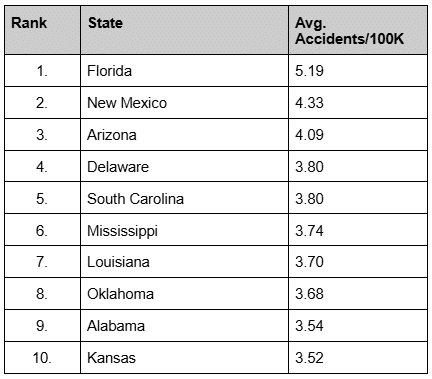
Arizona is gaining attention—and not the good kind—after a recent study ranked it third in the nation for the most intersection-related accidents. With an average of 4.09 intersection accidents per 100,000 residents, the Grand Canyon State surpasses the national average by a concerning 47.1%, raising urgent questions about road safety and the need for preventive measures.

A Closer Look at the Numbers

The study, conducted by the Simmrin Law Group, examined crash data from the National Highway Traffic Safety Administration (NHTSA) between 2018 and 2022. Analysts calculated the average number of intersection accidents per 100,000 people to identify which states have the highest rates of these collisions.

Here’s how Arizona stacked up:

  • Average Accidents (2019–2022): Arizona averaged just over 300 intersection-related accidents each year during the four-year period, a number that steadily increased with time. While 2019 saw the lowest total at 265, the number surged to 378 in 2022—its highest in the span—indicating that intersection safety is becoming a growing concern for Arizona motorists.
  • Average per 100,000 residents: With a rate of 4.09 accidents per 100,000 residents, Arizona’s intersection accident frequency is far higher than the national average of 2.78. This statistic suggests that local infrastructure, driving habits, and enforcement measures may need greater attention.
  • Lowest year (2019): While 2019 provided a brief glimpse of hope with the lowest total in recent years, that dip did not last long. The following years showed a rising trend, which aligns with population growth, increased traffic, and possibly post-pandemic changes in road usage.
  • Highest year (2022): By 2022, intersection crashes in Arizona peaked. This uptick reflects both the state’s growth and the need for more robust safety initiatives, especially in fast-growing metro areas like Phoenix and Tucson.

Top 10 States with the Most Dangerous Intersections

table about top 10 states with the most dangerous intersections

In contrast, Rhode Island ranks as the safest state for intersections, with only 1.15 intersection accidents per 100,000 people—a benchmark that others, including Arizona, can strive to reach through combined efforts in policy, infrastructure, and public awareness.

Why Are Intersections So Dangerous?

According to the study’s findings, intersections are particularly hazardous because they require
drivers to make rapid decisions amid complex traffic patterns. Several behavioral and environmental factors contribute to the high risk of accidents at these junctions:

  • Speeding through yellow lights: Many drivers interpret a yellow light as a signal to accelerate rather than slow down. This behavior often results in vehicles entering intersections as lights are changing—leading to serious side-impact or head-on collisions.
  • Distractions from mobile devices or in-car technology: Modern vehicles come equipped with advanced infotainment systems, but even hands-free setups can divert attention. When drivers are not fully focused, they may miss important cues like stop signs, pedestrians, or oncoming vehicles.
  • Misjudging gaps while turning: At busy intersections, especially during unprotected left turns, drivers frequently miscalculate the speed and distance of oncoming traffic. These errors can lead to severe crashes, especially if visibility is compromised or the road is unfamiliar.
  • Failure to yield the right of way: Whether due to impatience or inexperience, some drivers ignore the rules that govern yielding at intersections. This disregard can result in collisions with both vehicles and pedestrians, further increasing the danger.

These hazards affect not only drivers but also cyclists and pedestrians, who are particularly vulnerable at crossings where vehicles converge from multiple directions.

Solutions Start with Awareness and Action

Addressing Arizona’s intersection accident problem requires a two-pronged approach: safer behavior behind the wheel and thoughtful investment in infrastructure.

  • Obey posted speed limits: Adhering to speed regulations allows drivers more time to react and reduces the severity of crashes. Even modest reductions in speed can significantly improve outcomes in the event of a collision.
  • Avoid distractions: Arizona has laws against texting while driving, but enforcement varies. Drivers must take personal responsibility to put down phones, limit multitasking, and focus solely on the road.
  • Be cautious and alert when lights are changing: Intersections demand full attention, especially during transitions. Slowing down, rather than speeding up, at a yellow light can prevent devastating accidents.

On the infrastructure side:

  • Installing clearer traffic signage: Well-placed, reflective, and visible signs help alert drivers to upcoming intersections and turning restrictions, giving them time to make safer decisions.
  • Improving signal timing: Adjusting the timing of green, yellow, and red phases can accommodate real-time traffic patterns and reduce the likelihood of collisions during high-volume periods.
  • Enhancing lighting and visibility: Better lighting at intersections, particularly in rural or suburban areas, ensures that hazards, signage, and pedestrians are more visible during night driving.

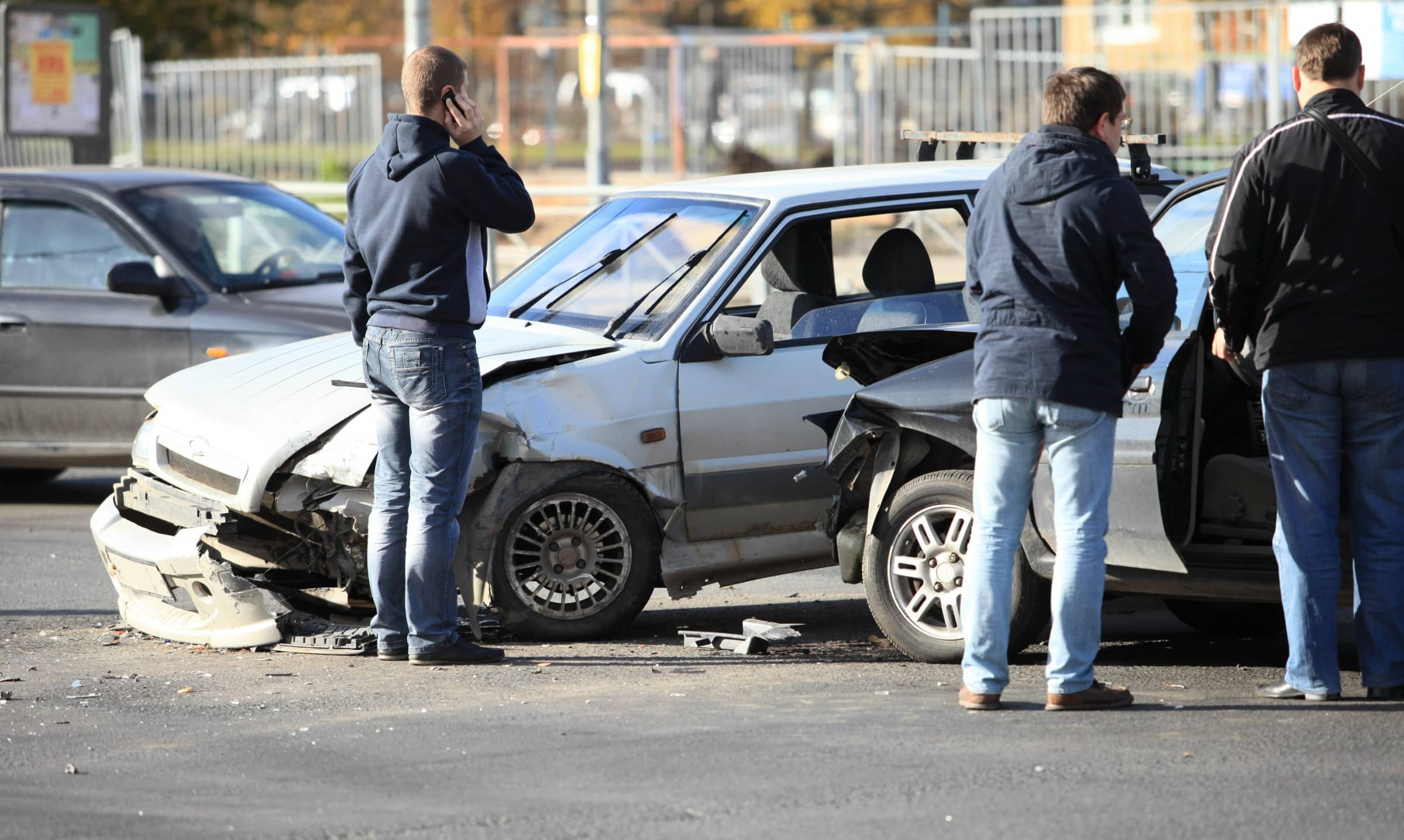
car accident at intersection

What Arizona Drivers Should Know After an Accident

Getting into a car accident can be disorienting and overwhelming, especially at busy intersections. Arizona drivers should follow a few key steps to protect their health, rights, and financial interests:

  • Check for injuries and call 911: If anyone is hurt, even slightly, emergency services should be called immediately. Health and safety are always the first priority.
  • Move to a safe location: If vehicles are drivable and it is safe to do so, moving out of the flow of traffic can prevent additional collisions or injuries.
  • Document the scene: Take photos of all vehicles, road conditions, traffic signals, and any visible injuries. This documentation will be critical if insurance claims or legal disputes arise.
  • Exchange information: Get the names, contact details, driver’s license numbers, license plates, and insurance information of all involved parties.
  • Avoid admitting fault: Even a simple apology can be misinterpreted as an admission of guilt. Let the investigation determine liability.
  • Contact an accident attorney: Legal advice is crucial, especially in cases involving injuries, disputes about fault, or unclear insurance coverage.

Why Contacting an Accident Lawyer Matters

An experienced personal injury attorney can help accident victims understand their rights, negotiate with insurance companies, and pursue compensation for medical bills, lost income, and pain and suffering. Time is also a factor—Arizona has a statute of limitations that restricts how long a person has to file a claim after an accident.

Trust Brad Johnson Injury Law with Your Case

If you or a loved one has been involved in an intersection accident in Arizona, Brad Johnson Injury Law offers compassionate, knowledgeable legal support. Based in Phoenix, Brad Johnson and his team bring over 30 years of experience handling personal injury claims across the state. Known for their personalized approach and aggressive advocacy, they have recovered millions for clients while guiding them through every step of the legal process.

Brad Johnson Injury Law understands the unique challenges of intersection collisions—from proving liability in complex traffic scenarios to handling reluctant insurance companies. They offer free consultations and work on a contingency fee basis, meaning you don’t pay unless they win your case.

Contact Brad Johnson Injury Law to learn more or schedule a consultation by calling (602) 650-1200.

Filed Under: Auto Accidents

Should I Accept Cash Payment Out of Pocket After a Car Accident?

March 14, 2025 by Brad Johnson

After a car accident, you might be tempted to accept a cash payment from the at-fault driver instead of filing an insurance claim. While this may seem like an easy way to avoid paperwork and delays, it can lead to serious financial and legal consequences down the road. Before making a decision, it’s crucial to understand the risks of out-of-pocket settlements and how they could impact your rights.

Understanding Out-of-Pocket Payments in Car Accidents

After a car accident, one of the first concerns for both drivers is how to handle the financial impact. In some cases, the at-fault driver may offer to pay for damages or medical bills out of pocket rather than involving their insurance company. This type of arrangement is known as an out-of-pocket settlement, an informal agreement where the responsible party pays a lump sum in cash or through a personal check instead of filing an insurance claim.

At first glance, accepting an out-of-pocket payment may seem like a convenient and hassle-free solution, especially if the accident appears minor. You may be tempted to agree to this arrangement for several reasons, such as:

  • Avoiding an Insurance Claim: The at-fault driver may want to keep the accident off their insurance record to prevent premium increases.
  • Faster Resolution: The driver might suggest that cash will cover your repairs or medical expenses immediately, eliminating delays in the claims process.
  • Lack of Insurance: In some cases, the other driver may not have insurance at all and prefers to settle the matter privately.
  • Minimizing Legal Liability: The driver at fault may fear that a formal claim could lead to additional financial consequences, such as a lawsuit or increased damages.

Legal Implications of Accepting an Out-of-Pocket Settlement

Agreeing to an out-of-pocket settlement after a car accident might seem like a simple way to resolve the situation, but it comes with serious legal risks, especially under Arizona law. While private agreements are not inherently illegal, they can leave you vulnerable to financial loss, liability disputes, and legal complications that may be difficult to undo.

You May Be Waiving Your Right to Future Compensation

When you accept a cash payment from the at-fault driver, you might unknowingly be waiving your right to seek additional compensation later. Even if you realize days or weeks later that your injuries or vehicle damage were worse than initially thought, you may have little to no legal recourse.

Insurance claims and lawsuits allow for ongoing medical expenses, lost wages, and pain and suffering, but a verbal or written agreement to accept an out-of-pocket payment may prevent you from filing a claim. Courts often uphold informal agreements as long as both parties consented, even if it later turns out that the settlement was inadequate.

You Could Be Violating Arizona’s Insurance Requirements

Arizona law requires all drivers to carry liability insurance, and in many cases, an accident must be reported to the Arizona Department of Transportation (ADOT) and law enforcement. If damages exceed $1,000 or someone is injured, drivers are legally required to notify the police.

By settling privately, you may inadvertently break reporting laws, which could lead to penalties, fines, or complications with your own insurance coverage. Additionally, if the at-fault driver was uninsured, accepting a cash settlement does not protect you from legal consequences if they fail to meet Arizona’s minimum liability insurance requirements.

No Guarantee the At-Fault Driver Will Honor the Agreement

Out-of-pocket settlements rely entirely on the other driver’s honesty and willingness to pay. Unfortunately, there is no legal mechanism forcing them to follow through once you leave the scene.

Even if they provide a check, it could bounce or be canceled. If they promise to pay later but fail to do so, you will have no insurance company backing you up. Without a signed and legally enforceable contract, proving the agreement existed can be challenging in court.

Why Some Drivers Offer Cash Instead of Insurance

After a car accident, you might find yourself in a situation where the at-fault driver offers to pay you cash instead of filing an insurance claim. While this might seem like a quick and hassle-free resolution, it’s important to understand why a driver might make this offer and whether it’s in your best interest to accept it.

Avoiding Insurance Premium Increases

One of the biggest reasons a driver may prefer to settle out of pocket is to prevent their insurance rates from going up. Car insurance companies consider any accident, even minor ones, as a risk factor, and drivers who file claims often see an increase in their monthly premiums.

For someone with a history of accidents or previous claims, even a minor collision could result in significant rate hikes or policy cancellation. Instead of risking this, the at-fault driver may offer cash to settle things privately.

The Driver Is Uninsured or Underinsured

In Arizona, drivers are legally required to carry minimum liability insurance. However, some motorists drive without coverage, despite the law. If an uninsured driver causes an accident, they may try to offer cash immediately to avoid legal and financial penalties.

Similarly, some drivers carry only the minimum required coverage, which may not be enough to cover serious damages. Instead of filing an insurance claim that could expose their lack of coverage, they may attempt to resolve the matter privately.

They Were Engaged in Illegal Activity

Sometimes, a driver offering cash might have other legal issues they want to avoid. If the at-fault driver was:

  • Driving under the influence (DUI)
  • Driving with a suspended or revoked license
  • Driving a stolen vehicle
  • Transporting illegal substances or goods
  • Violating probation or parole

Should You Accept a Cash Settlement?

While accepting a cash offer might seem like an easy way to avoid paperwork and delays, it’s important to consider the risks:

  • You may not receive enough compensation to cover your damages.
  • You could lose your right to file a claim if injuries or damages are worse than expected.
  • The driver might disappear, leaving you without recourse if the payment doesn’t cover your costs.

Arizona Car Accident Laws: What You Need to Know

Arizona follows a fault-based system for car accidents, meaning the at-fault driver is responsible for covering damages. Whether through insurance or legal claims, victims have the right to seek compensation for medical expenses, vehicle repairs, lost wages, and pain and suffering.

Key Arizona Car Accident Laws

  • Minimum Liability Insurance
    • $25,000 per person for bodily injury
    • $50,000 per accident for bodily injury
    • $15,000 for property damage (ARS § 28-4009)
  • Comparative Negligence: Arizona follows pure comparative negligence rules, meaning your compensation may be reduced if you are partially at fault for the accident (ARS § 12-2505).
  • Reporting Requirements: If an accident results in injury, death, or property damage over $1,000, you must report it to law enforcement (ARS § 28-667).
  • Statute of Limitations: You have two years from the date of the accident to file a personal injury or property damage lawsuit (ARS § 12-542).

The Role of a Personal Injury Attorney

After a car accident, especially when dealing with out-of-pocket payment offers, hiring a personal injury lawyer can make a significant difference in protecting your rights and securing fair compensation. While settling directly with the at-fault driver might seem quick and easy, it often comes with hidden risks, and that’s where an attorney can step in to ensure you don’t get shortchanged.

Protecting Your Legal Rights

A personal injury lawyer understands Arizona’s car accident laws and can advise you on the best course of action. Many accident victims unknowingly waive their rights by accepting a private cash settlement, only to realize later that their injuries or damages were more serious than they thought.

Accurately Assessing Your Damages

Most drivers offering cash settlements will lowball the amount, hoping you’ll accept without question. However, a personal injury attorney will help you calculate the full value of your claim, including:

  • Medical bills (current and future)
  • Vehicle repair or replacement costs
  • Lost wages due to missed work
  • Pain and suffering
  • Permanent disability or long-term medical care

Proving Liability & Fault

In Arizona, fault is key in car accident claims. If the other driver disputes responsibility, an attorney can:

  • Gather police reports, witness statements, and video footage
  • Work with accident reconstruction experts
  • Demonstrate how the other driver’s negligence caused the crash

People Also Ask

Is It Legal to Accept an Out-of-Pocket Payment for a Car Accident?

  • Yes, but it may violate Arizona’s reporting requirements if the accident involves injury or damages over $1,000.

What Are the Risks of Accepting Cash Instead of Filing an Insurance Claim?

  • You may waive your right to future compensation, be stuck with hidden medical expenses, or lose legal protection if disputes arise.

Can I Still File an Insurance Claim After Accepting a Cash Settlement?

  • In most cases, accepting payment privately may prevent you from filing a claim later, especially if there’s a verbal or written agreement.

Find the Right Car Accident Attorney

Accepting an out-of-pocket payment after a car accident may seem like a quick fix, but it can leave you vulnerable to unpaid medical bills, hidden damages, and legal complications down the road. Without proper documentation or legal protection, you could be stuck covering costs that should be the responsibility of the at-fault driver. Instead of risking your financial and legal future, let our team at Brad Johnson Injury Law guide you through the best course of action. Contact us today for a free case evaluation, we’ll review your situation, explain your rights, and help you secure the compensation you deserve.

Filed Under: Auto Accidents, Personal Injury

Getting Compensation For a Hit and Run Accident

February 6, 2025 by Brad Johnson

A hit-and-run accident can leave victims feeling frustrated, overwhelmed, and unsure of what to do next. When a negligent driver flees the scene, it can seem like getting compensation for medical bills, lost wages, and vehicle damage is impossible. However, there are still legal and insurance options available to help you recover what you’re owed. Whether through uninsured motorist (UM) coverage, Arizona’s Crime Victim Compensation Program, or legal action, you don’t have to face this situation alone. In this guide, we’ll walk you through the steps to take after a hit-and-run and explain how Brad Johnson Injury Law can help you secure the compensation you deserve.

Immediate Steps to Take After a Hit-and-Run

Being the victim of a hit-and-run accident can be a stressful and overwhelming experience. However, taking the right steps immediately after the incident can help protect your health, preserve important evidence, and improve your chances of getting compensation.

Ensure Your Safety

  • If you are able to, move your vehicle to a safe location to avoid further danger.
  • Turn on your hazard lights to alert other drivers.
  • Check yourself and any passengers for injuries.

Call 911 and Report the Accident

  • Even if the other driver has fled, reporting the accident is crucial.
  • Provide the dispatcher with your location, vehicle description, and any details you recall about the fleeing driver or their car (make, model, color, license plate, etc.).
  • Request medical assistance if you or anyone involved is injured.

Gather Evidence at the Scene

Since hit-and-run drivers may not be immediately located, the evidence you collect could be essential for your insurance claim or legal case.

  • Take photos and videos of the accident scene, your vehicle damage, and any injuries.
  • Write down any details about the other vehicle if you saw it (license plate, color, make, model, direction they were heading).
  • Look around for witnesses who may have seen the accident. Get their contact information and ask if they’re willing to provide a statement.
  • Check for security cameras on nearby businesses, homes, or traffic lights that may have recorded the incident.

Seek Medical Attention

Even if you feel fine, injuries from a hit-and-run accident may not be immediately noticeable due to adrenaline.

  • Visit a doctor as soon as possible to document any injuries.
  • Keep records of all medical evaluations, treatments, and expenses.

Notify Your Insurance

  • Inform your insurance provider about the hit-and-run accident as soon as possible.
  • Provide them with the police report number and any evidence you gathered.
  • If you have uninsured motorist (UM) coverage, this may help cover your damages.

Can you Get Compensation if the Driver Isn’t Found?

Being involved in a hit-and-run accident can be frustrating, especially if the at-fault driver is never identified. However, you may still be eligible for compensation through various insurance options and victim assistance programs in Arizona.

Uninsured Motorist (UM) Coverage

In Arizona, uninsured motorist (UM) coverage is optional, but if you have it, it can help cover medical expenses and lost wages in a hit-and-run case. Since a hit-and-run driver is legally considered “uninsured” if they flee the scene and cannot be found, UM coverage may step in to pay for:

  • Medical bills
  • Lost income
  • Pain and suffering
  • Future medical treatment

Personal Injury Protection (PIP) or Medical Payments Coverage (MedPay)

If you have Personal Injury Protection (PIP) or MedPay, these coverages can help pay for your medical expenses, regardless of who caused the accident. Unlike UM coverage, PIP and MedPay do not cover pain and suffering or lost wages, they only cover medical costs.

Arizona Crime Victim Compensation Program

If you do not have applicable insurance coverage, you may be eligible for compensation through Arizona’s Crime Victim Compensation Program. This state-funded program assists victims of violent crimes, including hit-and-run accidents, by covering:

  • Medical expenses
  • Lost wages due to injury
  • Funeral costs (in fatal cases)
  • Mental health counseling

To qualify, you must:

  • Report the hit-and-run to law enforcement within 72 hours
  • Cooperate with the investigation
  • File a claim within two years of the accident

Filing an Insurance Claim for a Hit-and-Run

Filing an insurance claim after a hit-and-run accident can be more complicated than a typical car accident claim since there is no at-fault driver to hold accountable. However, if you have uninsured motorist (UM) coverage, MedPay, or Personal Injury Protection (PIP), you may still be able to recover compensation.

Challenges in Hit-and-Run Insurance Claims

  • Proving the accident wasn’t your fault – Some insurers may argue that, without an identified at-fault driver, they cannot confirm how the accident occurred.
  • Claim Denial or Low Settlement Offers – Insurance companies may attempt to deny coverage or offer a low settlement by disputing the severity of your injuries or vehicle damage.
  • Policy Limitations – If you don’t have UM coverage, your ability to recover damages may be limited.

What to Do If Your Claim Is Denied

If your insurance company denies your claim or offers a low payout, you don’t have to accept it. A personal injury attorney can:

  • Gather additional evidence to support your claim
  • Negotiate with the insurance adjuster for a higher settlement
  • File a bad faith insurance claim if your insurer unfairly denies compensation

Navigating an insurance claim after a hit-and-run can be frustrating, but you don’t have to handle it alone. Brad Johnson Injury Law can help protect your rights and ensure you receive the compensation you deserve.

Legal Options for Pursuing Compensation

If a hit-and-run driver is not identified or your insurance claim is denied, you may still have legal options to pursue compensation. In Arizona, victims of hit-and-run accidents can file a personal injury claim if the driver is later found. This lawsuit can help recover medical expenses, lost wages, pain and suffering, and property damage. If the driver remains unidentified, an experienced attorney can help you explore other legal avenues, such as filing a bad faith insurance claim if your insurer wrongfully denies or delays payment. Additionally, Arizona’s Crime Victim Compensation Program may provide financial relief for victims with medical bills or lost income due to a hit-and-run. Since hit-and-run cases can be complex, consulting with a personal injury lawyer ensures that you understand your rights and maximize your compensation. Brad Johnson Injury Law has the experience to fight for victims and hold negligent drivers or insurance companies accountable.

How Brad Johnson Injury Law Can Help

Being the victim of a hit-and-run accident can be overwhelming, but you don’t have to face it alone. Even if the at-fault driver is never found, there are still legal and insurance options available to help you recover compensation for medical bills, lost wages, and other damages. The key is to act quickly and report the accident, gather evidence, and seek legal guidance to protect your rights.

At Brad Johnson Injury Law, we specialize in helping hit-and-run victims navigate the legal process and fight for the compensation they deserve. Let us handle the complexities of your case while you focus on recovery. Call us for a free consultation to discuss your options. You don’t pay unless we win your case!

Filed Under: Auto Accidents, Personal Injury

What Should You Do After Rental Car Accident in Arizona

November 7, 2024 by Brad Johnson

Immediate Steps After the Accident

After an accident in a rental car, the first thing is to follow the same steps like any other car accident – first prioritize everyone’s safety that was involved. For any apparent injuries, call 911 for medical assistance. Then, move the cars to a safe location if possible to prevent further accidents. You’ll need to report the accident to the police, this is invaluable for protecting the involved parties and against fraudulent claims in the future. It can also be helpful to gather evidence if possible with pictures and videos. Having evidence of the vehicles involved, the damages sustained, traffic signs, skid marks, road obstructions, or visible injuries. Thoroughness is your ally. 

Contact the Rental Company

As soon as you are able, contact the rental car company to inform them about the accident. Most rental companies provide a 24/7 helpline for such emergencies. Reporting the accident promptly can help initiate the claims process and inform you of any specific steps they require, such as bringing the car to a designated inspection location.

The rental car company will likely ask for your version of the events, copies of the police report, and photos of the damage. Some rental agreements may have clauses detailing how quickly an accident must be reported to avoid penalties or additional charges, so it’s essential to act promptly.

Notifying Your Insurance Provider

If you opted for rental car insurance, contact the insurance provider to report the accident. If you’re relying on your personal auto insurance, notify your insurer as well. Your insurance agent can guide you through the next steps, which may include submitting documentation, filing a formal claim, and understanding your coverage limits. In some cases, your credit card company may also provide insurance coverage if you used it to book the rental.

Determining Fault in a Rental Car Accident

Arizona follows a fault-based system for car accidents, which means that the driver responsible for causing the accident is typically held liable for damages. Understanding how fault is assessed and what factors influence this determination can help protect your interests and streamline the claims process. 

Arizona’s At Fault Laws

Arizona operates under a comparative negligence system, which means that more than one party can share the blame for an accident. If you are found partially responsible for a collision, your compensation may be reduced by your percentage of fault. For instance, if you are deemed 20% at fault, any claim you make may be reduced by that percentage.

This framework encourages thorough investigation and documentation, as each driver’s role in the accident needs to be accurately represented to determine liability.

Common Car Accident Scenarios and the Fault Implication

Certain types of accidents often follow general patterns in determining fault. For example:

  • Rear-End Collisions: Typically, the driver in the rear is presumed at fault unless evidence shows that the driver in front made a sudden and unreasonable maneuver.
  • Left-Turn Accidents: The driver making a left turn is usually at fault if a collision occurs with an oncoming vehicle. However, exceptions exist if the oncoming vehicle was speeding or ignored traffic signals.
  • Intersection Accidents: Fault can be more complex in intersection crashes, as right-of-way rules, signal compliance, and witness testimony can all contribute to the final determination.

Who Takes Care of Damages to a Rental Car in an Accident

Determining who is responsible for covering the damages after a rental car accident can be complicated, involving rental agreements, insurance policies, and state laws. Understanding how these elements interact can help you better navigate the process and minimize your financial liability.

Overview of Rental Car Company Policies

Rental car companies typically outline damage liability in their rental agreements. This agreement specifies who is responsible for paying for damages if the car is involved in an accident. Most rental companies require that the renter report any accident promptly and may have specific guidelines regarding how and where the damaged vehicle should be assessed or repaired.

Rental companies often inspect their vehicles post-accident to evaluate the extent of the damage. Depending on the situation and whether you complied with their procedures, you could be responsible for some or all of the repair costs. Failure to report the accident in a timely manner could result in additional charges or violations of the rental contract.

Liability of the At-Fault Driver’s Insurance

In Arizona, the at-fault driver’s insurance is typically responsible for covering damages to your rental car. This follows the state’s fault-based insurance system, where the liable party compensates for injuries and property damage resulting from the accident. If the other driver is found to be at fault, their insurance should cover the repair or replacement costs of your rental car, as well as any associated expenses like loss-of-use fees charged by the rental company.

After an accident, you should immediately exchange insurance and contact information with the at-fault driver. This will be crucial for filing a claim with their insurance company.

The Renter’s Responsibility for Damages

As the driver of the rental car, your liability for damages largely depends on the type of coverage you selected when renting the vehicle and whether you have personal or supplemental insurance. If you opted out of additional coverage at the time of rental, you could be liable for repair costs and any loss-of-use fees the rental company incurs while the car is being repaired. These fees compensate the company for the revenue lost because the car is out of service.

Steps to Follow if You’re Responsible for Damages

If you find yourself liable for the damages, follow these steps:

  1. Contact Your Insurance Provider: Notify them of the accident and confirm the coverage limits and process for filing a claim.
  2. Work with the Rental Company: Cooperate with the rental company’s accident department and provide any requested information, such as the police report or insurance details.
  3. Review Your Credit Card Benefits: If applicable, check the details of your credit card’s rental insurance to see what costs it covers and how to file a claim.
  4. Prepare for Potential Out-of-Pocket Costs: Understand what expenses you may need to cover upfront and how to seek reimbursement from your insurance provider.

Types of Insurance Coverage for Rental Cars

Understanding the types of insurance coverage available for rental cars is essential for protecting yourself in the event of an accident. Whether you’re renting a vehicle for business, leisure, or daily use, knowing your coverage options can help you avoid significant out-of-pocket expenses. 

1. Collision Damage Waiver (CDW)

A Collision Damage Waiver (CDW) or Loss Damage Waiver (LDW) is not technically insurance but an option offered by rental car companies to reduce your financial responsibility if the rental car is damaged or stolen. By purchasing a CDW/LDW, you can avoid paying out-of-pocket for repair costs or the value of the car in the event of significant damage.

2. Liability Insurance

Liability insurance covers the costs associated with damages you may cause to other drivers, vehicles, or property while driving the rental car. Most states, including Arizona, require a minimum level of liability coverage. While rental companies typically provide this minimum coverage, it’s often very basic and may not be enough to fully protect you in a serious accident.

3. Personal Accident Insurance (PAI)

PAI covers medical expenses for you and your passengers in the event of an accident. This type of insurance can be beneficial if you don’t have comprehensive health insurance or if your existing policy has significant gaps. It ensures that costs for emergency services, hospital stays, and medical treatments are covered.

Keep in mind that if you already have robust health insurance or personal injury protection (PIP) as part of your auto policy, PAI might be redundant. Reviewing your existing policies before deciding on additional coverage will help you make an informed choice.

4. Personal Effects Coverage

Personal Effects Coverage protects your belongings in case they are stolen from or damaged within the rental car. If you’re traveling with valuable items such as laptops, cameras, or other electronics, this coverage can provide added security. However, it’s essential to verify your existing homeowner’s or renter’s insurance policy, as these might already include similar protections.

5. Your Personal Auto Insurance

Your existing personal auto insurance policy may extend coverage to rental cars, particularly if you have comprehensive and collision coverage. This can include repairs for damage, liability for third-party injuries or property damage, and coverage for uninsured/underinsured motorists. Before renting a car, check with your insurance provider to understand how much coverage you have and whether any deductibles would apply.

People Also Ask

Is the Rental Car Company Liable if I am not at Fault in a Car Accident?

  • No, the rental car company is not liable if you are not at fault in an accident. Responsibility for damages typically falls on the at-fault driver and their insurance. However, the rental company may work with you to facilitate repairs and claims through the at-fault party’s insurance.

What if the Rental Car Accident is not my Fault?

  • If the accident is not your fault, the at-fault driver’s insurance should cover the damages to the rental car. You should still report the accident to the rental company and your own insurance provider to ensure all parties are informed and any gaps in coverage are managed.

If I Get in a Car Accident Out of State, Should I get a Lawyer in that State?

  • Yes, if you are involved in an out-of-state car accident, it’s advisable to hire a lawyer licensed in that state. They will have specific knowledge of local traffic laws and procedures, ensuring you receive accurate legal representation and guidance for your case.

Rental Car Accident Lawyer in Arizona

Dealing with the aftermath of a rental car accident can be stressful and complicated, especially when navigating insurance claims, determining fault, and covering damages. Understanding your rights and responsibilities can make the process more manageable and help protect your financial well-being. However, expert guidance is essential to ensure your case is handled correctly and that you receive the compensation you deserve.

Contact Brad Johnson Injury Law

At Brad Johnson Injury Law, we are committed to helping you every step of the way. Contact us today for a free case evaluation and let our experienced team support you through this challenging time. Don’t navigate this process alone—reach out now and take the first step toward resolving your case confidently and effectively.

Filed Under: Auto Accidents

How to Find the Right Lawyer After Your Car Accident

October 18, 2024 by Brad Johnson

There are nearly 6 million licensed drivers in the State of Arizona and more than 8 million registered vehicles. When you consider that in the Phoenix Metro area alone, 10 billion vehicle miles are traveled every year, accidents are going to happen.

And they do.

According to data compiled from 2021 car, motorcycle, and pedestrian collisions in the City of Phoenix, there were nearly 30,000 collisions with more than half resulting in injuries and more than 300 involving fatalities.

It happens to people every day, and it can happen to you, no matter how careful you are behind the wheel. Your life could change in a moment due to another driver’s neglect or carelessness and it can leave you with injuries or disabilities that will be with you for the rest of your life.

When you are injured in a car accident, you need a personal injury lawyer who will fight for you, working hard to ensure that you get the compensation that you deserve. Finding one who is dedicated and sympathetic to you, committed to ensuring that justice is served may not be so easy.

Here’s what you need to know.

What Types of Compensation are Available to You After an Accident?

When you are injured in a car accident, you may have physical injuries as well as emotional or mental distress. Arizona law allows accident victims to be compensated for these types of injuries as well as economic and non-economic losses via a personal injury claim.

Under the law, an accident victim can seek compensation for:

  • Medical Bills

    • Emergency room costs
    • Ambulance services
    • Physical therapy
    • Doctor’s visits
    • Specialist’s visits
    • Medication
    • Medical treatments
  • Lost Wages

  • Lost Opportunities for Employment

  • Rental Car

  • Property Damage

    • Car repair
    • Car replacement
    • Items inside the vehicle
    • Damage to other property
  • Pain and Suffering

    • Physical pain and suffering
    • Emotional distress
    • Mental anguish
    • Loss of enjoyment or quality of life
    • Loss of affection or companionship

The Arizona State Constitution does not allow caps on damage in car accidents or personal cases. This means that if a person is seriously injured in an accident, they can receive certain benefits, like medical treatment, indefinitely.

Arizona is a tort state, meaning that it is an at-fault state. This allows the injured party to seek compensation from the at-fault driver. This typically begins with a claim against the insurance company of the at-fault driver. If a reasonable settlement cannot be reached, then your personal injury attorney will file a lawsuit seeking compensation for the driver who was not at fault.

The statute of limitations for car accidents in Arizona is two years from the time of the accident. The claim must be filed within that time in order for the case to be valid.

How to Find the Best Car Accident Lawyer for Your Case

Finding a car accident attorney is easy. Finding the best car accident attorney is a little more difficult. Asking friends and family for their recommendations is a good place to start. You can get reliable testimonials from people you know and trust.

Questions to Ask a Car Accident Lawyer

Does the Attorney Have Experience? 

This is not to say that a new attorney won’t be any good, but car accidents can be very complex and require certain expertise that only experience can provide.

What Does the Attorney’s Track Record Look Like?

Research the attorney and look at other cases they have handled. What were the outcomes? Were the outcomes commensurate with the severity or magnitude of the case? Were the clients happy with their experience with the attorney?

Is it a Personal Injury Attorney who specializes in Car Accidents?

Many law firms have different lawyers who focus on specific areas of law. This is very common in personal injury because it is such a broad legal field. Does the attorney you are considering focus on car accidents, or do they have several “specialties” that they practice? Car accidents can be complex so you would likely be better served by going with an attorney who specializes in that area.

What Kind of Reputation Does the Attorney Have in the Community?

Research reviews by actual clients and read them thoroughly. Look for reviews that speak directly to their experience with the attorney, not necessarily the case. You are evaluating how well the attorney performed so that should be your focus.

Does the Attorney Have Experience Handling Cases Like Yours?

In law, experience counts. You naturally want an experienced attorney, but also look for lawyers who have handled cases that are similar to yours.

How Successful Has the Attorney Been in Negotiating with Insurance Companies?

Car accident claims are all about the insurance company negotiations. Look for a lawyer who has experience negotiating settlements with insurance companies and who has gotten their clients compensation that was reasonable for the injuries and loss they sustained.

Injured in a Car Wreck? Get the Best Phoenix Car Accident Attorney to Fight for You!

Whether you need a no-fault lawyer or an at-fault lawyer for your accident, we deliver. With more than 30 years of legal experience, we will fight for you and won’t stop until you get the compensation that you deserve.


At Brad Johnson Injury Law, we serve clients all across the Phoenix Valley and we have Spanish-speaking attorneys for our non-English speaking clients.

We offer a free case evaluation, and our contingency fee is one of the lowest in the business. We don’t get paid unless you do, and we only take 25% as opposed to other attorneys taking 33% or even more.


When you choose us, you can rest assured that we will handle your case with the care and commitment it deserves. And we won’t stop until justice is served.

Filed Under: Auto Accidents, Personal Injury

  • Page 1
  • Page 2
  • Page 3
  • Interim pages omitted …
  • Page 5
  • Go to Next Page »

Primary Sidebar

We Don't Get Paid Unless We Win

125+ GOOGLE REVIEWS

“Brad Johnson and his staff were very helpful and responsive in this stressful and unknowing time. I recommend them to anyone who would possibly need an injury lawyer as they made the entire process smooth and easy. Thank you for all the help!”

Read All

Request a Free 24/7 Case Evaluation

This field is for validation purposes and should be left unchanged.
Name(Required)
Brad Johnson Injury Law
7448 W Glendale Ave, Suite B101 Glendale, AZ 85303

Phone: 602-650-1200

Fax: 623-931-1741

View Brad Johnson Injury Law's online BusinessRate profile

Follow Us

Copyright © 2026 Brad Johnson Injury Law. All rights reserved.

Privacy Policy

Disclaimer

Transparency in Coverage